
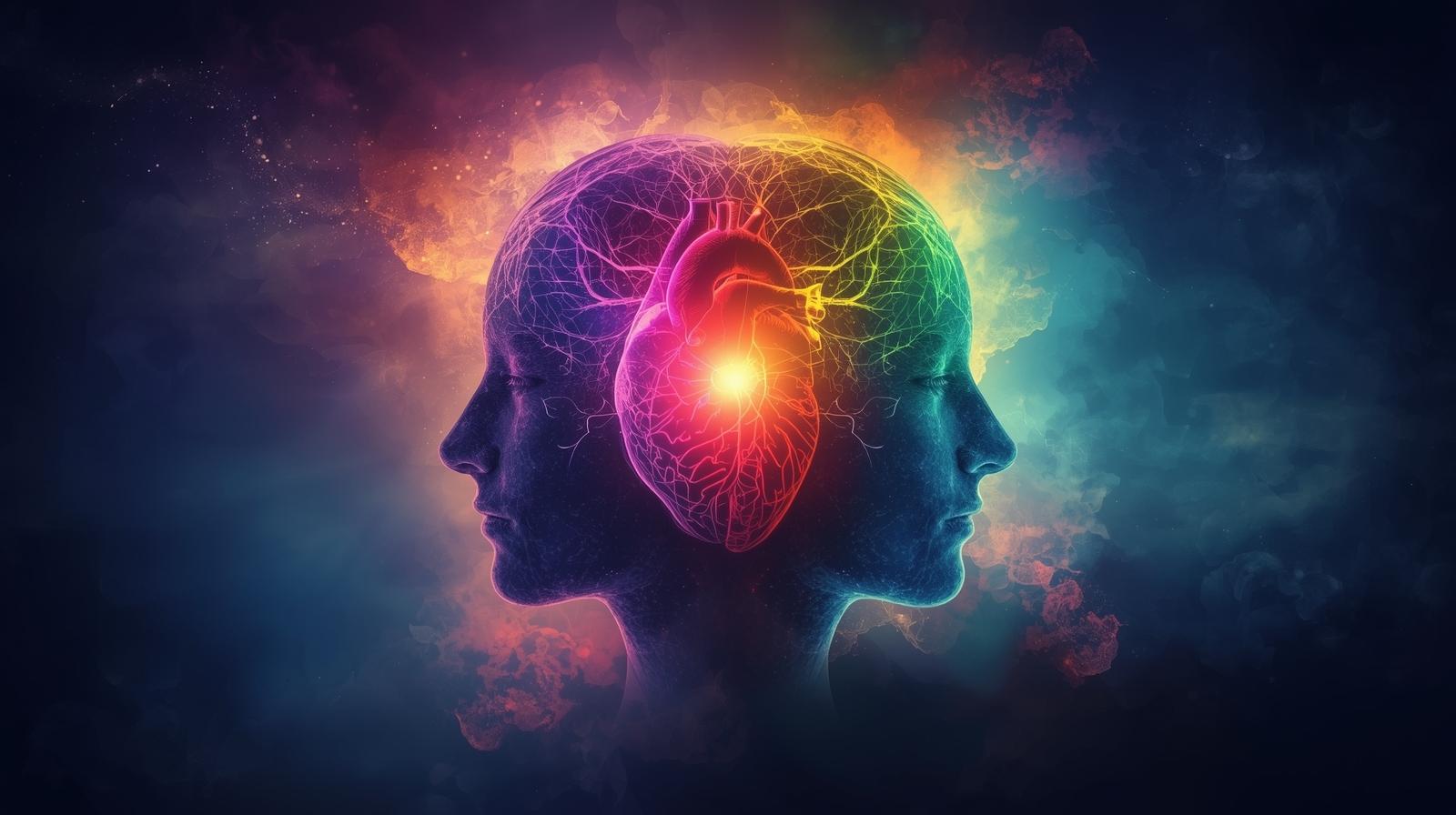
Over the years much has been written about the links between our emotions and thoughts. In the past the role of emotions had taken a lower priority with logic and pure thought being seen as the high road to problem solving and living a balanced life. Since the 1990s and the writings of Daniel Goleman, the importance of emotional intelligence has come to the fore. However, I propose that neither one nor the other takes pre-eminence but rather they work together in unison to lead us to healthy communication, relationships, and cooperative outcomes.
Nowhere is the synergy between the two more important than in the fields of coaching, counselling and psychotherapy. A well-trained coach must be able to show all the elements of emotional intelligence in their interactions with their clients. Through the exercise of Emotional Assertiveness, the coach builds a coaching relationship, trust and a vehicle for tracking with their client to the highest levels.
There are four dynamics to emotional intelligence these being self-awareness, self-management, interpersonal relationship awareness, and interpersonal relationship management.
In my Emotional Assertiveness Model, I make a strong case for the importance of emotions in building healthy and cooperative relationships. Indeed, I believe this is the primary reason we have emotions; they tell us what is going on in the environment how that impacts us what we need, how best to communicate in ways that build relationship and lead to healthy outcomes. In my experience as a coach I have discovered that whenever blocks are encountered in the coaching process the path forward is frequently found through exploring the emotional content of the event being discussed.
Body memory: whilst working as a psychotherapist many years ago now, I discovered that memory is not just a function of the brain, but that the body also holds memories. This was borne out through the work of Candace Pert, Ph.D, who was first to write about what she called the Molecules of Emotion. For further information about her research, you can read her book of the same name written in 1999. Her ground breaking research assisted me greatly in my work in developing The Emotional Assertiveness Model. Candace describes how the brain and every cell of the body contain the capacity to both transmit and take up neuropeptides the molecules of emotion. From her work we can see that memory is not just a function of neurons in the brain retaining stored recollections of events but rather all of our being has the capacity to both tell the brain what it is experiencing and receive information from the brain. Together this amazing system provides us will all the information we need to navigate both our physical and interpersonal environments.
Sadly in our developmental years most of us learn how to misinterpret some of these valuable information bites and the outcome leads to patterns of behaviour that form self-sabotaging behaviours, driven by unconsciously held defective beliefs.
Fortunately, with training we can regain the capacity to differentiate emotions and to be able it use them effectively. In any event, we get the content correct much of the time, it is only where there has been defective learning that the corrective action needs to be taken. We speak of cover-up emotions in The Emotional Assertiveness Model, that is, emotions we have learned to display to cover emotions we do not believe we should display, these cover-ups also mask from ourselves the healthy options that if applied would help us find solution.
The terms emotions and feelings are often used interchangeably; however, I suggest there are subtle differences between them. An emotion is the early piece of information regarding changes have taken place in the environment that calls for us to act. The ability to recognise the emotion, label it correctly and understand what it means to you and how it impacts your needs is essential. The feeling, relates to the bodily sensations that we use to assist us identify the emotion and gauge the appropriate level of energy to focus on problem solving.
By refining our capacity to name the emotion, and gauge the appropriate response is the essence of emotional intelligence.
We start by first understanding ourselves, how and why we experience our emotions and then how best to regulate ourselves to express them in a healthy way. This also helps us to gain understanding of others, how they may experience events through their emotions and how they may either show them in a healthy or unhealthy way. This is the essence of empathy and through empathy we can develop the capacity to show respectful compassion. Empathy being an ability and compassion being acts of human kindness.
It is though combining our emotional and intellectual capacities we develop and activate the skills of being more human and being available as effective coaches.
For those working in coaching, counselling, or psychotherapy, mastering your emotional landscape is essential. Emotional Assertiveness training offers a powerful, evidence-informed framework to help you do your best work. Contact info@teamemotion.com for more information.